Small actions. Lasting impact.
Students from five schools within Greater Saskatoon Catholic Schools participated in this year’s Student Action for a Sustainable Future (SASF) showcase.
The annual showcase held at the Western Development Museum lets students highlight the environmental and sustainability initiatives they are undertaking at their schools.
Students and teachers were on hand to let visitors know what they did, what they learned, and the impact their initiatives have at their school and in their local community.
St. Augustine School
Grade 6/7 students are fostering a “lasting culture of environmental stewardship” through five different initiatives.
They encouraged lights and Smart Boards to be turned off when not in use to reduce power consumption and save energy (and money).
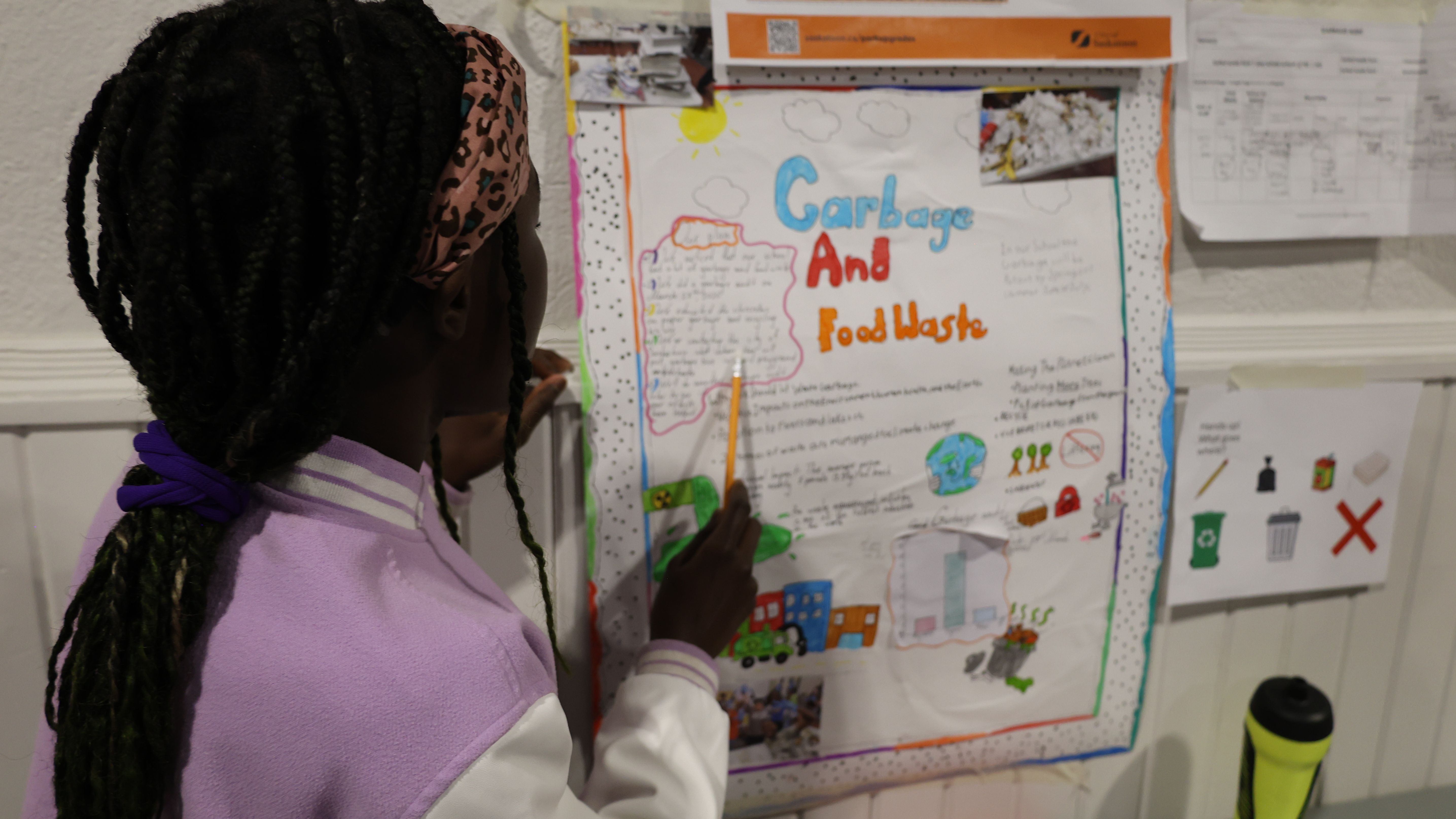
A waste audit was conducted to encourage composting organics and recycling (including batteries) to help keep waste out of the landfill.
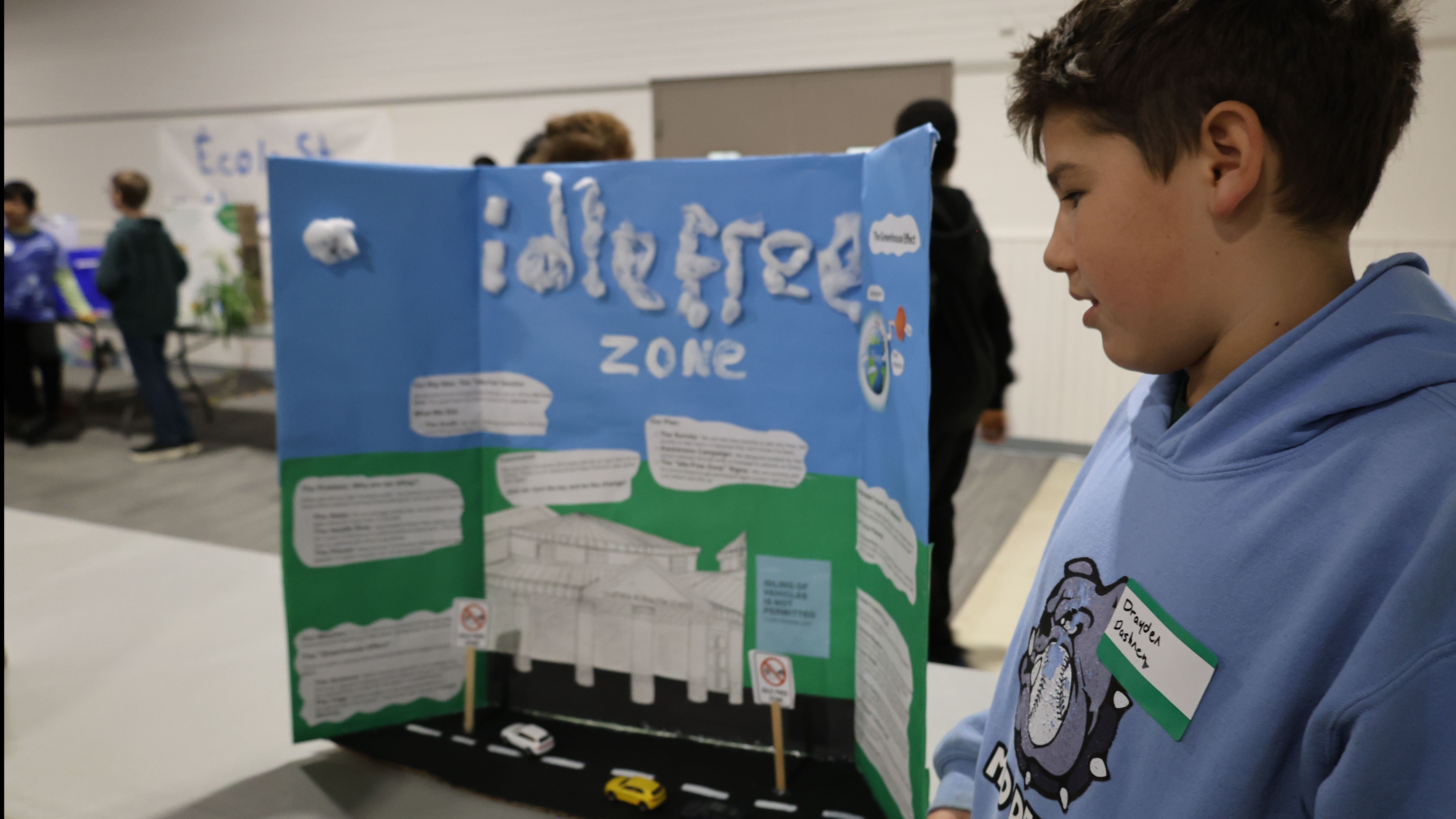
They are encouraging healthier transportation options by establishing an idle-free zone for student drop-off and pick-up and promoting active transportation like walking and cycling.
École St. Mother Teresa School
Students in Grade 6 are continuing the good work from past years to reduce waste. The did re-education campaigns to compost organics and recycle appropriate items after their waste audit revealed too many items were ending up in the trash.
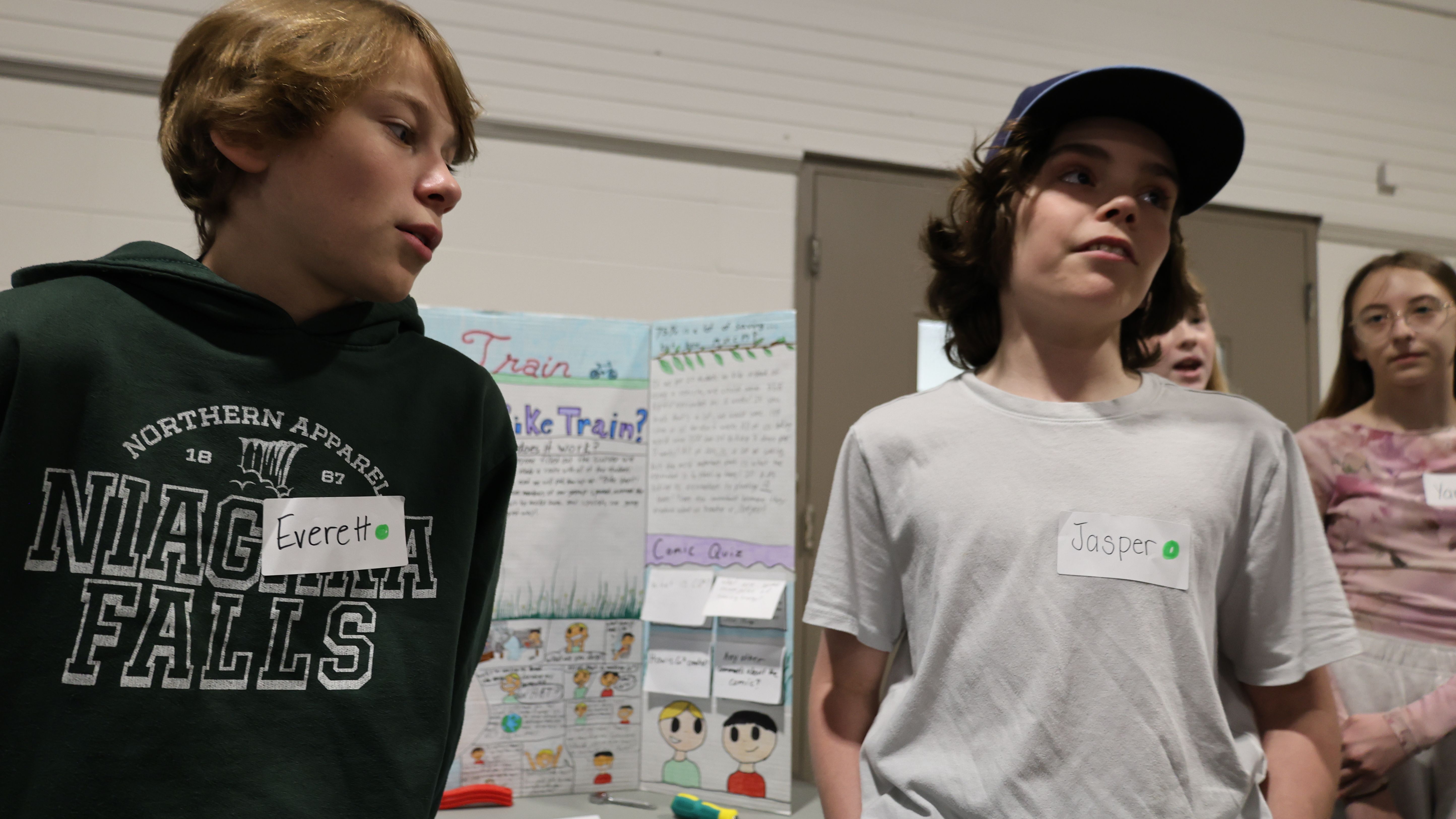
A Bike Train will be established this spring to encourage more students to be more active and reduce greenhouse gas emissions by having fewer students dropped off or picked up in automobiles.
Inspired by the nearby Saskatoon Natural Grassland (SNG), students are growing plants with medicinal properties that can be harvested for personal use. (Picking plants from the SNG is not allowed.)
Pope John Paul II School
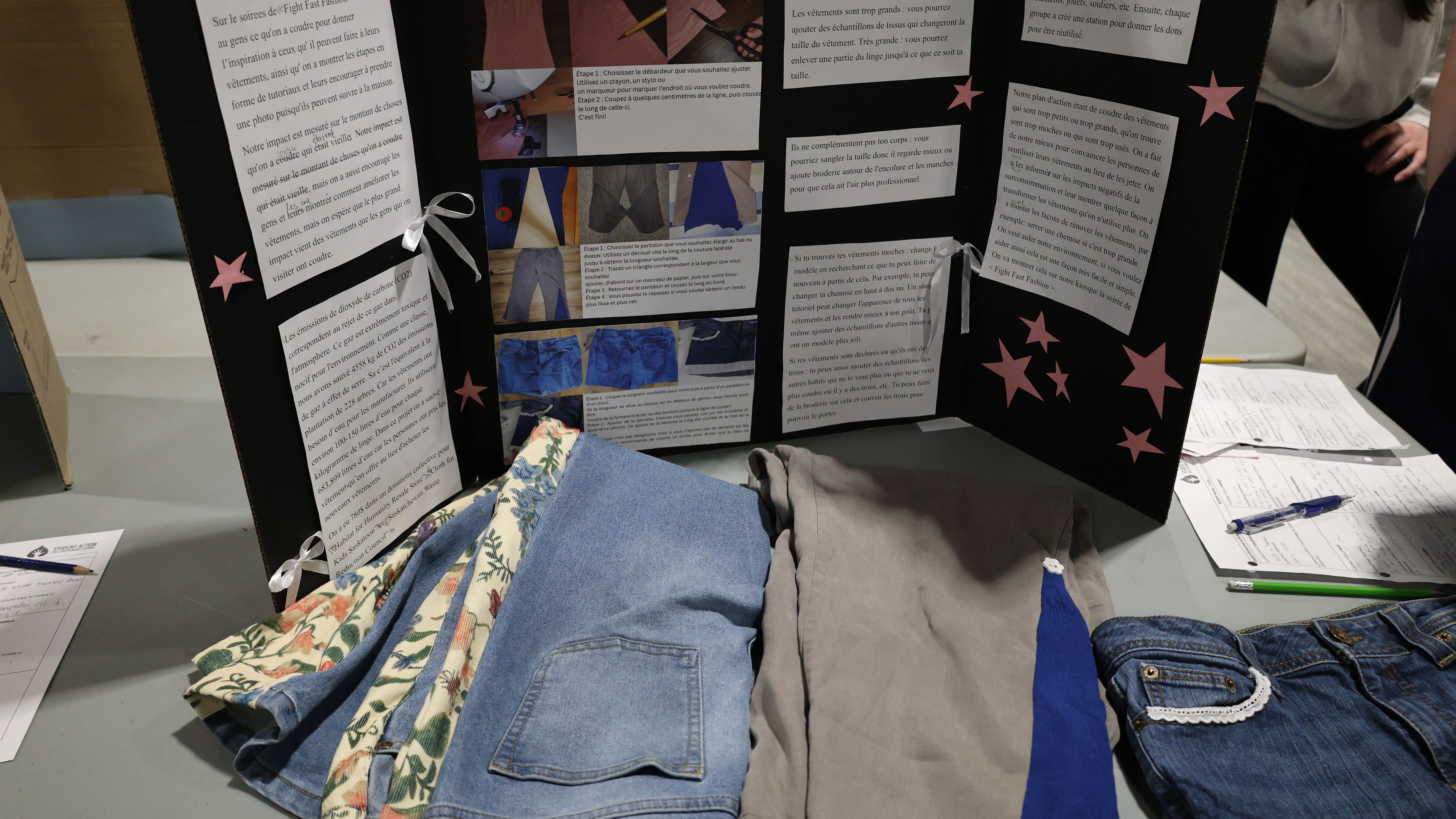
The school’s Grade 6/7 class established a clothing mending group to give worn clothing and blankets a second life. They learned and practiced sewing and crocheting and donated their mended items to local charities.
Repurposing damaged City of Saskatoon garbage bins, a group grew plants to both beautify the neighbourhood and encourage pollination.
A group of students monitored water and energy use and put steps in place to reduce consumption and lessen energy and water waste.
Another group conducted waste audits encouraging the school community to be more responsible and properly sort trash into recyclables, compost and garbage.
École Father Robinson School
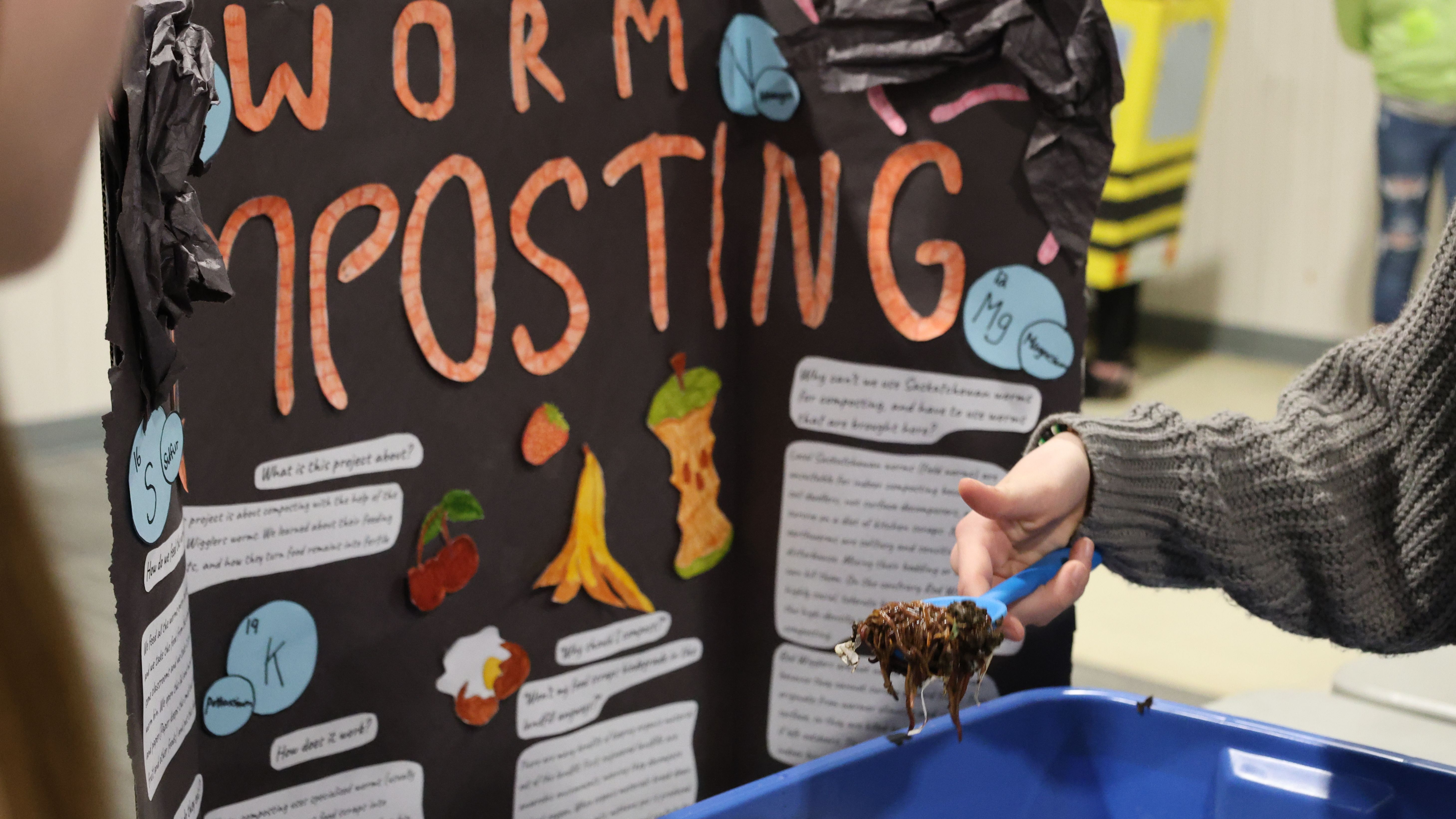
Students in grades 6, 7 and 8 took composting to the next level by introducing vermicomposting (with red wiggler worms) to speed up the compost process.
Discoving a significant amount of uneaten, non-perishable food items (still in their wrapper) in the trash, students established a snack bin to improve food security of their fellow students. By putting their unwanted food in the snack bin, they gave other students increased access to food throughout the day.
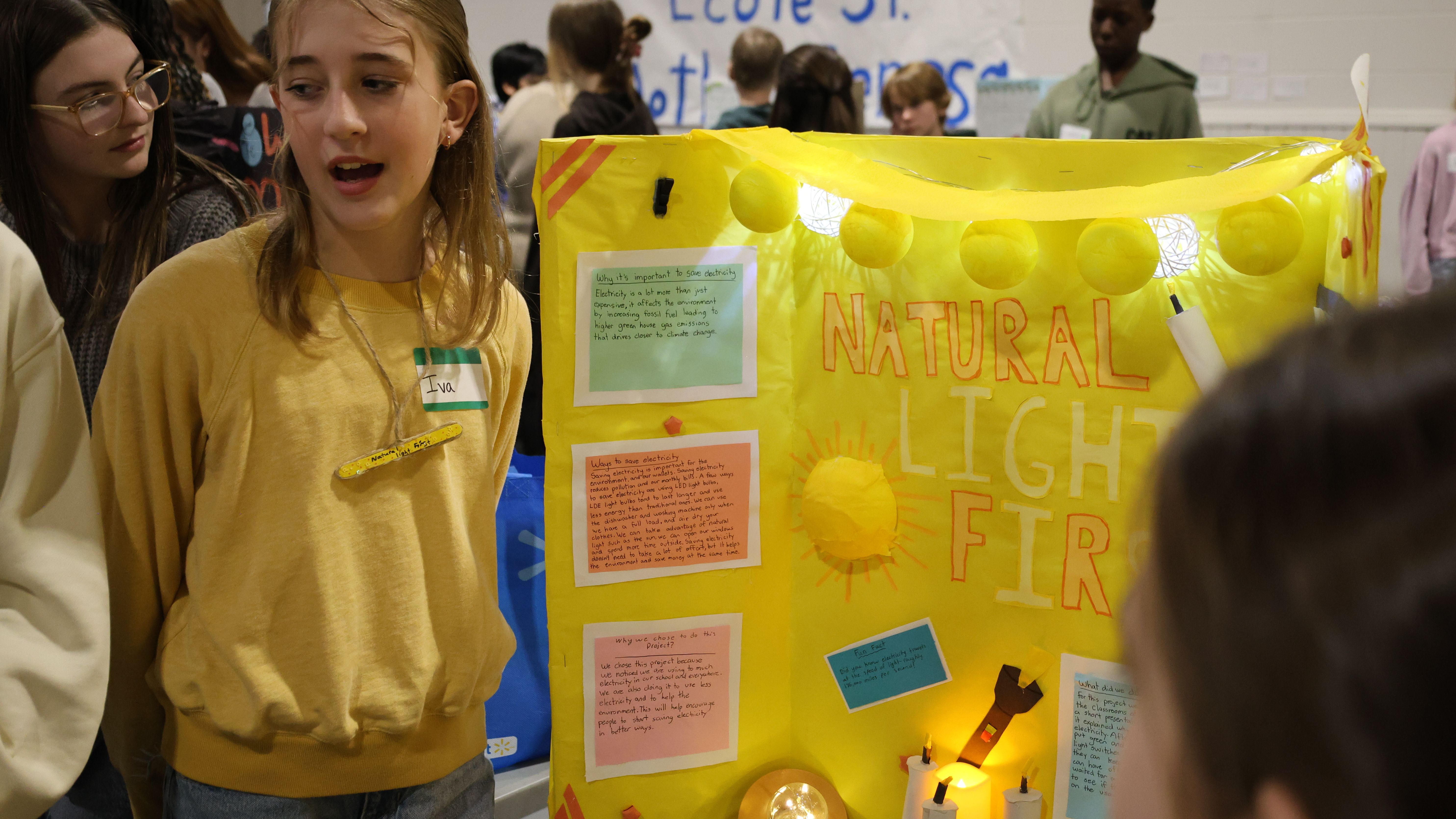
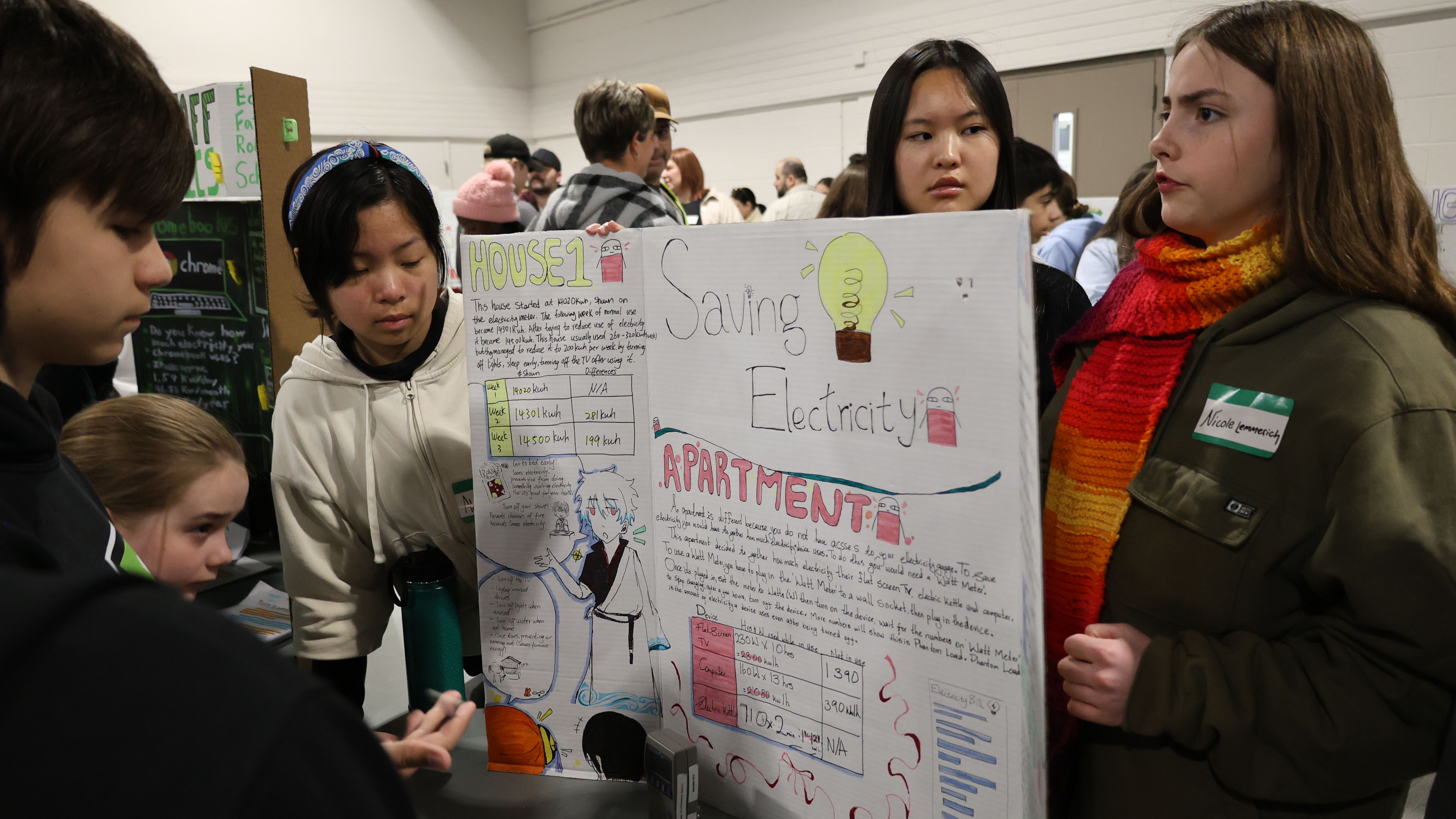
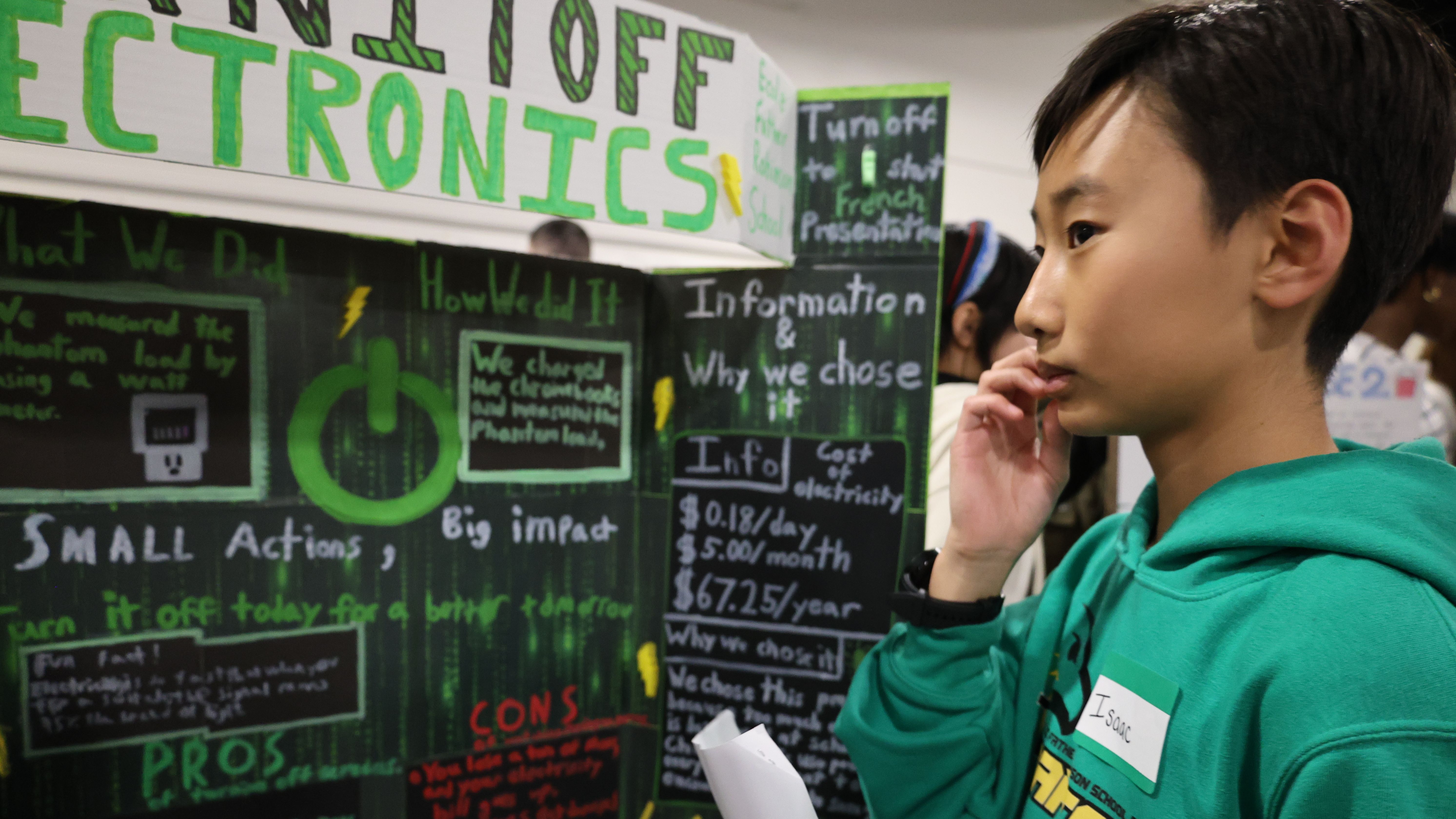
To reduce energy consumption, they promoted the use of natural light in classes when possible and unplugging fully-charged Chromebooks to eliminate “phantom” energy usage.
École St. Matthew School
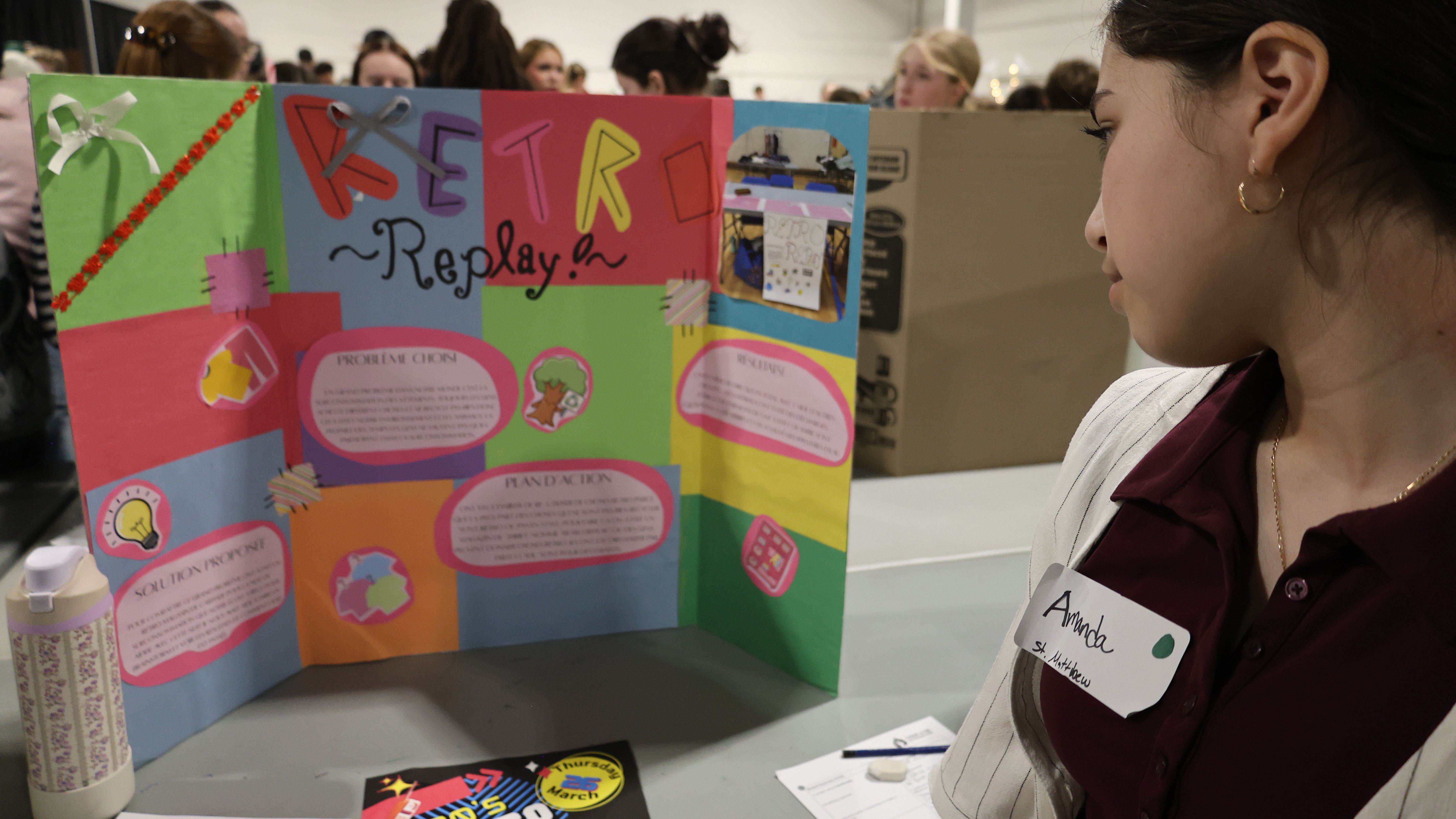
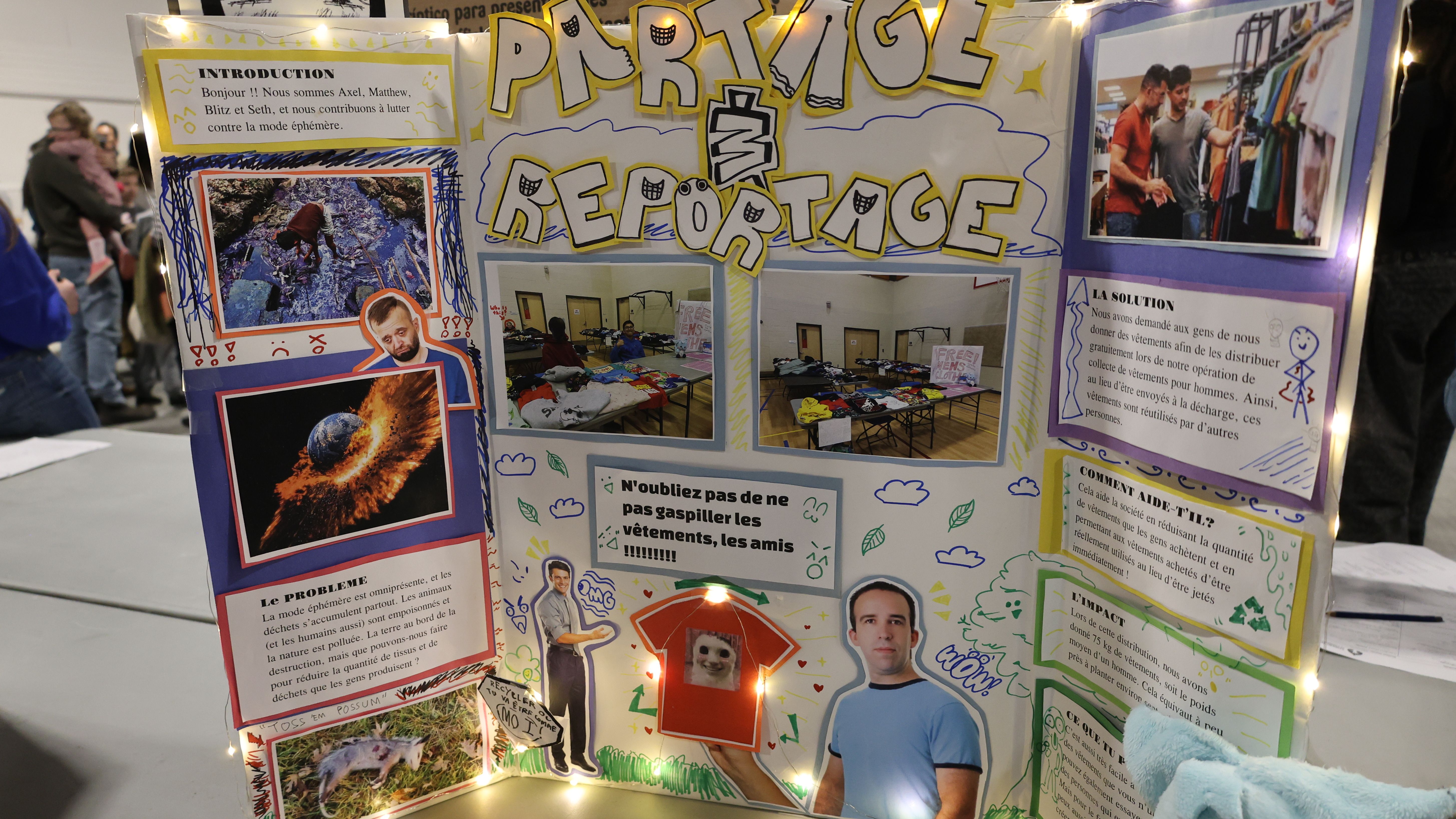
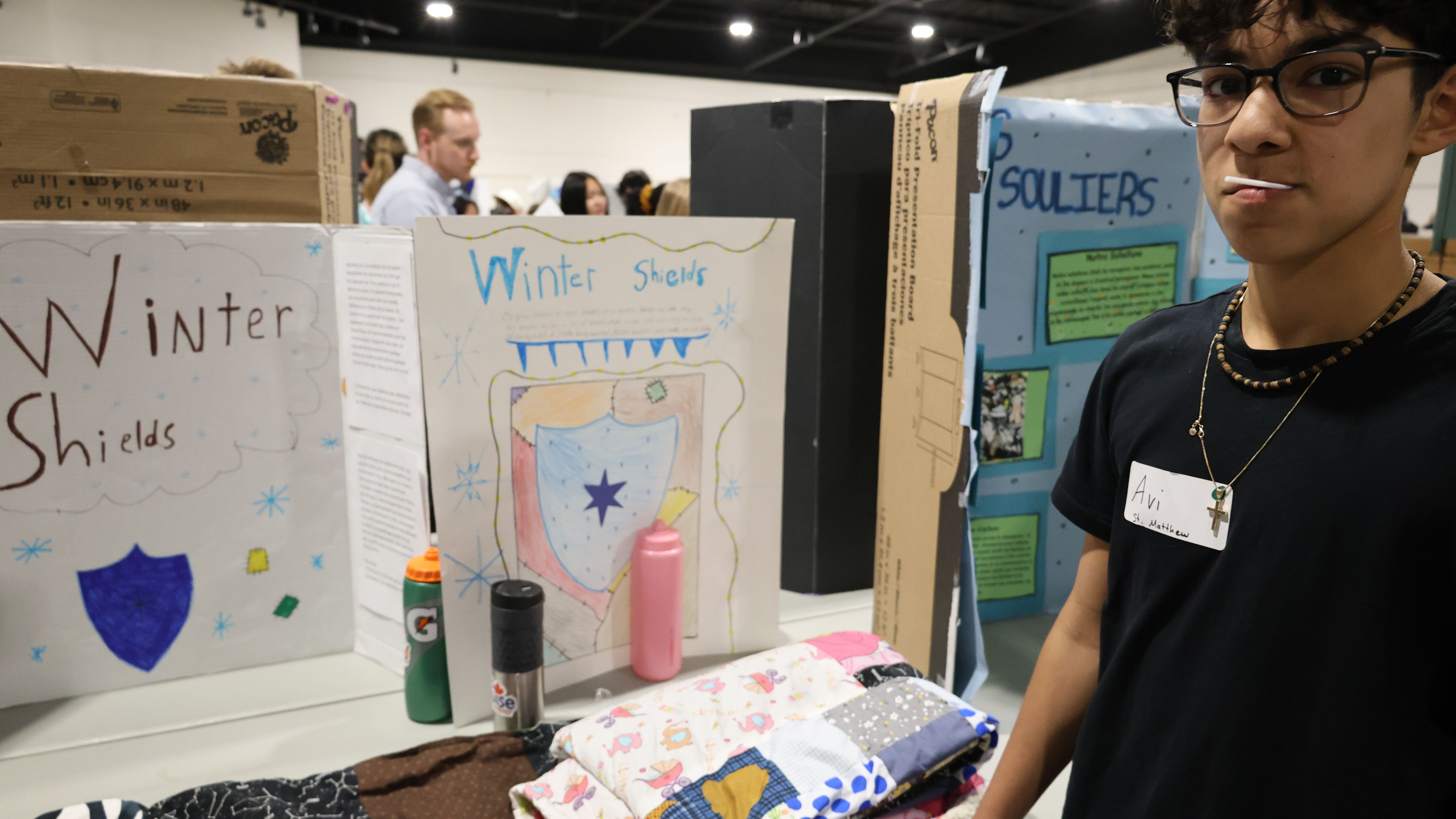
Reuse and repurpose were the themes for initiatives by the Grade 8s. Collecting used clothing and fabrics, books, CDs, sporting goods and jewelry from the community, students held a thrift shop. Some students learned to sew and upcycled materials into clothing items, blankets and stuffed animals. Items were available for free or by donation. Money collected through donations was given to a local charity.
SASF is done in partnership with the City of Saskatoon, Greater Saskatoon Catholic Schools, Saskatoon Public Schools, the University of Saskatchewan’s Sustainability Education Research Institute, and Saskatoon Light and Power. It is proudly sponsored by Nutrien.